Inspection and Diagnostics

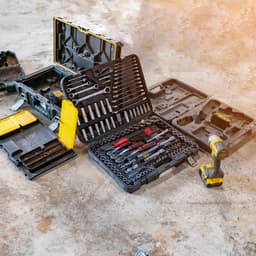
Tool rental
Rental of various types of small tools - drills, breakers, cutting machines, and others....
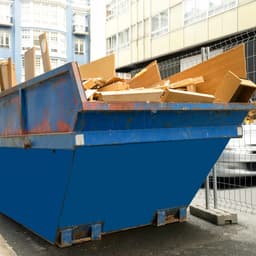
Container rental
Containers for construction waste, building debris, and household waste for containers from 4 to 8 m/3...
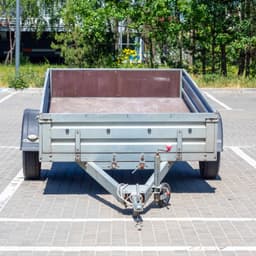
Trailer rental
Rental of single-axle and double-axle trailers for various needs....
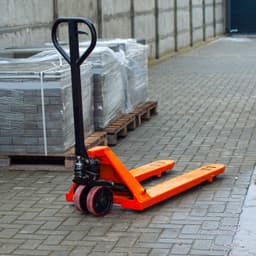
Pallet truck rental
Rental of manual or electric pallet truck....
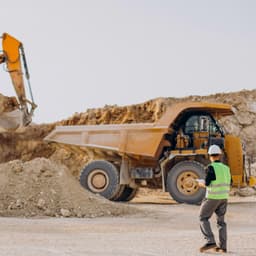
Heavy equipment rental
Rental of heavy machinery, such as excavators, dump trucks, and more....
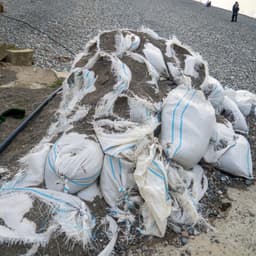
Garbage disposal
Disposal of construction waste, household, and others....
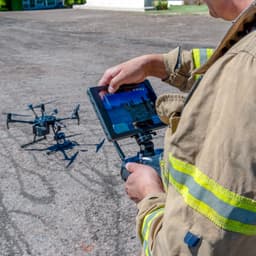
Drone survey
Detailed and precise inspection of hard-to-reach areas and locations with a drone to detect damages and irregularities as per the client's request....
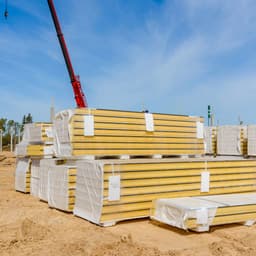
Rental of formwork panels
Formwork panels for various purposes and needs. Available for different periods of time....

Monitoring and management of bathroom renovations
The service includes comprehensive monitoring and management of the delivery of a project for a full or partial bathroom renovation. It involves overs...
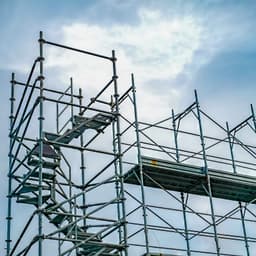
Scaffolding rental
Hiring of facade, aluminum, or volumetric scaffolding....
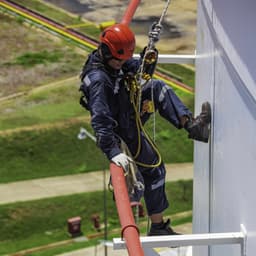
Mountaineer
Hiring a professional and certified climber according to the client's project needs....
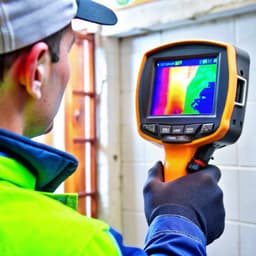
Thermographic measurements
Precise thermographic analyses and high-tech measurements in construction and industry....
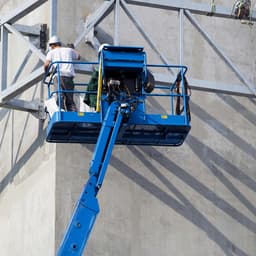
Tower rental
Aerial platforms and lifts for rent from 8m to 42m. For facade cleaning, air conditioner installation, structures, roof repairs, advertising, insulati...

Inspection and Diagnostics
Initial inspection and diagnostics to define the problem and determine next steps to resolve it....

Individual Offer After Inspection
Can't find the right solution for your problem? Choose the option for an individual offer - after an inspection and diagnosis, we will offer a persona...

Specialist Hire
Specialist Hire The service provides the opportunity to hire a specialist for a specific task with hourly payment. It is suitable for complex or speci...

Comprehensive Assignment
The service includes the execution of several related and consecutive activities by a single specialist, within a larger or multi-stage assignment. It...
Express roadside assistance and safe vehicle transport
When your car breaks down, two things are important. Fast coordination and safe recovery. Our car services cover roadside diagnostics, roadside assistance, towing with a platform and transportation to a workshop or address of your choice. We work with equipment for different situations. Low platforms for cars with low clearance, a winch for pulling out of a ditch, wheel belts and fixing points through the chassis. On site, we help with starting current, changing a flat tire, refueling and unlocking in case of a forgotten key. The goal is to restore your mobility or ensure safe transportation without additional damage.
How the visit proceeds
- Receipt of the signal: We confirm the location, condition of the vehicle and type of terrain.
- Risk assessment: We check whether the vehicle is in a safe place and assess the maneuvers.
- On-site actions: We mark the area, stabilize the vehicle, turn off the ignition and free the parking lot.
- Solution: Either we fix the problem on the road, or we load it onto a platform. We fix it with a minimum of 4 points and check the tension.
- Handover: We document the receipt and leave the vehicle in a workshop or at a specified address. We provide brief recommendations for next steps.
Scenarios and solutions
- The battery has fallen. We supply starting current with protected cables and a starting block. We check the charge voltage and advise for a test at a service station.
- A flat tire. We change the wheel with a lock and the correct tightening torque. If there is no spare tire, we transport to a tire repair shop.
- The engine overheats. We do not risk additional damage. We cool it safely, check for leaks and load it onto a platform.
- Damage to the chassis. If there is a risk of repeated damage, we do not use wheel towing. We use a platform with a winch and inclined ramps.
- A car after an accident. We secure the place, disconnect the battery and ensure loading without dragging. We photograph the condition before transport.
Equipment and capacity
- Platform with 3.5 t winch and belts with a working load of 2 t per point.
- Hydraulic rails and low entry angle for sports cars.
- Tools for emergency opening of doors with a locked key, without damaging the seals.
- Compressor, jack, cross wrench, topping up fluids, triangle and marking lights.
- Motorcycle racks and additional belts for fixing through the fork and frame.
Services
Roadside assistance
Roadside assistance is the core of our car services. We respond to accidents, catastrophes and failures in the electronics or fuel system. We provide starting current supply, tire change, fuel delivery, unlocking and transport with a platform. We work on highways, city streets, parking lots and hard-to-reach places. In underground garages, we check height and maneuvering radii. If a long course is needed, we prepare a route and fixation for a long journey. Each transport arrives with photo documentation of the reception and delivery.
Safety first
Safety on site is critical. We mark the area, place a triangle and work with vests and gloves. We always secure the vehicle with a brake and chocks. When loading on a platform, we use a winch and pads. We check that the crankcase, muffler and bumpers will not come to rest. We fix with diagonal belts to the chassis or through the rims depending on the vehicle. Upon arrival, we inspect the tensioner straps and record any visible damage before and after transport.
Practical tips while waiting for the team
- Move behind the guardrail or to a safe place.
- Place a warning triangle at a sufficient distance and turn on the hazard lights.
- Do not open the hood if there is smoke or suspicion of fuel.
- Prepare the vehicle documents and a brief description of the problem.
- If the tire is flat in a dark area, stay out of the traffic lane and do not try to change it yourself.
When is transport better than attempting roadside repairs
- Loud noises from the engine or gearbox.
- Oil pressure warning lights or temperature.
- Significant side impact on the suspension.
- Modern cars with complex electronic locks after an impact.
- Lack of spare tire and incompatible repair kit.
Domande frequenti
Can you transport a low car?
Yes. We use low ramps and pads to reduce the angle of entry and avoid contact with the bumpers.
How is the car fixed on the platform?
With a minimum of four straps. Two diagonal fixations on the front axle and two on the rear. We check the tension after the first meters.
Do I have to be present when handing over to the service center?
Not mandatory. We can hand over the car to an authorized person and send photos and a short report.